Physical Address
304 North Cardinal St.
Dorchester Center, MA 02124
Physical Address
304 North Cardinal St.
Dorchester Center, MA 02124


Chronic diseases like heart attack, stroke, diabetes, and cancers that predominate today are mainly induced by lifestyle and could be prevented if people were willing to adopt healthy lifestyle behaviors. The consumption of processed foods and fast foods may cause premature death more than tobacco smoking, alcoholism, or drug addiction.
The World Health Organization and nutritional authorities agree that foods like vegetables, beans, nuts, seeds, and fruits are healthy foods and thus considered nutritional fundamentals. Foods like salt, saturated fat, and excess sugar are disease-causing. A nutritarian lifestyle rich in plants, fiber, and micronutrients can prevent and reverse chronic disease as well as extend life.
Studies have shown that the Standard American Diet (SAD), rich in processed foods, sugar, refined grains, and excess animal products, has become the foundation of a nationwide health epidemic. SAD fuels chronic disease, mental illness, and premature death. About 71% of Americans are overweight or obese, and by more accurate standards, 88% exceed healthy body weight. Only 2.7% of Americans follow a lifestyle that combines nutritious eating and regular exercise.
When we say “processed foods,” we refer to foods that have been altered or changed from their natural state of harvest. Food processing involves pasteurizing milk to kill bacteria, pressing seeds to make oil, freezing fruits and vegetables, or even adding salt and sweeteners to improve taste. In short, most of what we eat is processed to some degree.
Monteiro classified foods based on how much they are processed, and they are categorized as follows:
Not all processed foods are harmful or bad (for example, pasteurizing milk, freezing fruits or vegetables, canning beans or tomatoes). The biggest culprits are the ultraprocessed foods — items packed with additives, preservatives, artificial colors, and flavor enhancers.
Examples include fast foods, soft drinks, chips, sodas, processed meats, instant noodles, packaged pastries, and snacks that fill most supermarket shelves. Ultraprocessed foods are produced through multiple industrial techniques like hydrogenation, extrusion, and frying.
They contain ingredients that cannot be found in an ordinary kitchen and tend to be high in calories, saturated fat, sugar, and salt, and low in nutrients. Studies in America show that in the SAD, over 55% of daily calories come from processed foods, and about 33% come from animal products.
Monteiro’s own research showed that ultraprocessed foods now account for more than half of the total calories consumed in countries like the U.S., U.K., and Canada. Even in middle-income countries such as Brazil and Mexico, consumption is growing rapidly — in some places, it has tripled in the past decade. Regularly eating too many of these foods has been linked to health issues such as obesity, heart disease, type 2 diabetes, and even bowel cancer.
They’re cheap, convenient, and designed to be addictive. But unfortunately, they offer little to no real nutrition.
Recent studies show that an average person today consumes far more processed and fast food than ever before. Processed foods have become our daily diet (not an occasional treat) and have replaced our home-made dishes.
Monteiro and other scientists point out that people who regularly consume these foods may eat up to 5,000 calories a day, often without realizing it. This is because UPFs are hyperpalatable — designed to trigger pleasure and keep you eating more — while also being low in nutrients and phytochemicals (flavonoids, antioxidants) found naturally in whole foods, and help prevent disease, they are rich in harmful chemicals like acrylamide and bisphenol, which are toxic.
These foods are designed for speed, not nourishment. Studies suggest that around 14% of adults and 12% of children in the U.S. show signs of food addiction, driven by constant marketing and dopamine-triggering formulations.
Even more heartbreaking is that many Americans don’t have much of a choice. Millions live in food deserts, where grocery stores are scarce, and fast food is everywhere. People in these neighborhoods face double the risk of heart attacks and diabetes, four times the risk of kidney failure, and seven times higher risk of early-life stroke. In some cases, they lose up to 45 years of potential life compared to those with access to fresh produce.
A 2024 systematic review involving over nine million participants found that high UPF consumption is connected to 32 negative health outcomes.
Processed and fast foods make life easier, but their ingredients cannot be handled by the body in large quantities. Let’s take a closer look at the health risks associated with excessive and frequent consumption of processed and fast foods.
Highly processed foods digest quickly (in minutes), raising the blood levels of sugar and fat. This causes spikes in insulin, which crashes glucose levels (via glycogenesis, promoting glucose uptake via GLUT4 transporters, and inhibiting glycogenolysis), making you want to eat more. It also stimulates your body to store fat around the belly rather than burn it. Over time, this leads to insulin resistance, thus causing type 2 diabetes.
Excess body weight increases the risk of hypertension, heart disease, stroke, osteoarthritis, certain cancers, kidney disease, and liver damage. Even small calorie surpluses make a big difference. Consuming just 50 extra calories per day can result in 50 pounds of extra weight in 10 years.
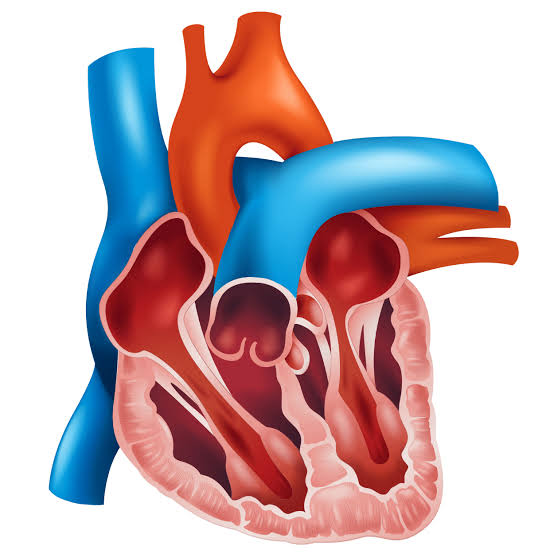
Many processed and fast foods contain excess sodium, trans-fat, and saturated fats, which increase blood pressure and cholesterol levels. Trans fat and saturated fat increase bad cholesterol, or LDL. Such types of fat block arteries.
Accumulation of cholesterol narrows the arteries and restricts blood flow, leading to high blood pressure, heart attacks, and strokes. Refined carbohydrates like white flour and added sugar cause inflammation and damage to arteries. It also increases glucose and insulin levels in the blood.
Excess salt increases blood pressure and damages the walls of blood vessels. Fried foods and oils contain harmful compounds like aldehydes that damage blood vessels (damage your cells and DNA).
One serving of fast-food French fries can contain 100 times the safe limit of these compounds, according to WHO standards. Studies show that people who eat a diet high in processed foods have double the risk of heart attacks and four times the risk of kidney failure.
Even more alarming: individuals living in “food deserts” — areas without access to fresh produce — are up to seven times more likely to suffer a stroke before age 45.
With the spiking and crashing of blood sugar through refined carbs and sugars, repeatedly, comes the resistance to insulin, thus paving the path to prediabetes and type 2 diabetes.
A nutritarian diet helps regulate blood glucose. A “low-fat” processed food may seem healthy, but it contains hidden sugars, syrups, and starches, which quietly raise blood sugar and insulin levels, creating a perfect storm for metabolic disease.
Processed food puts the brain at risk of inflammation that damages the brain cells. Refined sugars and saturated fats lower learning ability and memory.
It also accelerates the formation of AGEs (Advanced Glycation End Products), which are associated with Alzheimer’s disease and dementia.
Studies show that processed foods are now being linked to mood disorders like depression, anxiety, ADHD, and behavioral issues in children. Just like addictive drugs, junk foods can stimulate the brain’s reward system, making them hard to quit.
In America, one in five currently suffers from a mental health disorder, and the modern diet is a major contributor. Exposure to processed foods in early life increases the severity of brain damage and mood disorders.
According to the WHO, processed meats (bacon, sausage, hot dogs, and deli meats) are categorized as Group 1 carcinogens, particularly linked to colorectal cancer.
Fast foods often undergo high-heat cooking, such as grilling, frying, or barbecuing. Cooking at high temperatures produces heterocyclic amines (HCAs) and polycyclic aromatic hydrocarbons (PAHs), which are mutagenic (they can damage DNA and lead to cancer).
High-glycemic foods raise insulin and IGF-1 (Insulin-like Growth Factor-1) levels. IGF-1 promotes cell proliferation, fueling tumor growth. Studies show that consuming more than 10 ounces of animal products per week may already exceed the body’s safe needs for optimal longevity.
Many processed foods contain toxic and chemical substances, such as aldehydes in fried foods (carcinogenic), acrylamides in baked snacks like chips and crackers (linked to cancer), and Advanced Glycation End Products (AGEs), which accelerate aging and organ damage. High-fructose corn syrup accumulates in the liver and increases fat storage.
The risk of lung and throat cancers increases among fast food restaurant workers just by inhaling the fumes from overheated oils.
Some processed and fast foods have a very high amount of salt. This excess salt raises blood pressure, damages the delicate vessels in the kidneys and brain, and increases the risk of stroke and heart failure.
Even artificial sweeteners can increase the risk of hypertension and stroke and may lead to chronic kidney disease.
Processed foods lack natural fiber (unlike fruits, vegetables, and grains). Fibers are needed to alter the survival of the gut bacteria. Its absence in processed foods can lead to constipation, poor digestion, inflammation of the gut’s lining, and immunosuppression, allowing bacteria growth and increasing the risk of gut infection.
The accumulation of AGEs damages proteins and DNA, leading to tissue stiffness, wrinkling of skin, accelerated aging of organs, cognitive decline, and memory loss.
High-calorie, low-nutrient intake stresses the body, thereby increasing the risk of diseases and shortening lifespan. On the other hand, scientists report that moderate calorie intake with nutrient-rich food slows aging. Chronic inflammation caused by processed and fast foods wears down organs and immune defenses.
This battle with the dangers of processed foods is best fought through the adoption of the nutritarian diet, which maximizes nutrient intake per calorie. This diet includes vegetables, beans, nuts, seeds, fruits, and whole, unprocessed foods.
Such diets are rich in antioxidants and phytochemicals that protect you against cancer, heart disease, and cognitive decline.
The solution includes:
Ultraprocessed foods are powering a global epidemic of obesity, diabetes, heart disease, and addiction. They’re cheap, tasty, and convenient, but they’re also rewriting our biology, culture, and public health.
By understanding how these foods affect our bodies and making gradual changes toward whole, nutrient-rich foods, we can reclaim our health, years of our lives, and the quality of every day we are alive.
As scholars like Monteiro and Hall continue to expose the real impacts of industrialized consumption, one thing is for sure: we must act now. This will require a shared effort from governments, consumers, and the food industry to refocus our priorities regarding food.
Processed foods – NHS [Internet]. [cited 2025 Oct 17]. Available from: https://www.nhs.uk/live-well/eat-well/how-to-eat-a-balanced-diet/what-are-processed-foods/
Fuhrman J. The Hidden Dangers of Fast and Processed Food. Am J Lifestyle Med. 2018 Apr 3;12(5):375–81.
Ultra-processed food exposure and adverse health outcomes: umbrella review of epidemiological meta-analyses | The BMJ [Internet]. [cited 2025 Oct 17]. Available from: https://www.bmj.com/content/384/bmj-2023-077310
What Is Ultraprocessed Food, and What Are Its Effects? [Internet]. [cited 2025 Oct 17]. Available from: https://www.medscape.com/viewarticle/what-ultraprocessed-food-and-what-are-its-effects-2024a1000cjf